ASSYNT

ABOUT ASSYNT AND A GLOSSARY OF SOME SCOTS GAELIC WORDS

Assynt (pronounced with the accent on the first syllable) is a parish in the Scottish Highlands, in the remote North West, on the coast opposite the Hebridean islands of Lewis and Harris. It is remarkable for its geology, and the great isolated hills or inselbergs of Quinag, Canisp, Suilven, Stacpollaidh, and Cul Mor , which stand out, each a different shape depending on where you see them from.
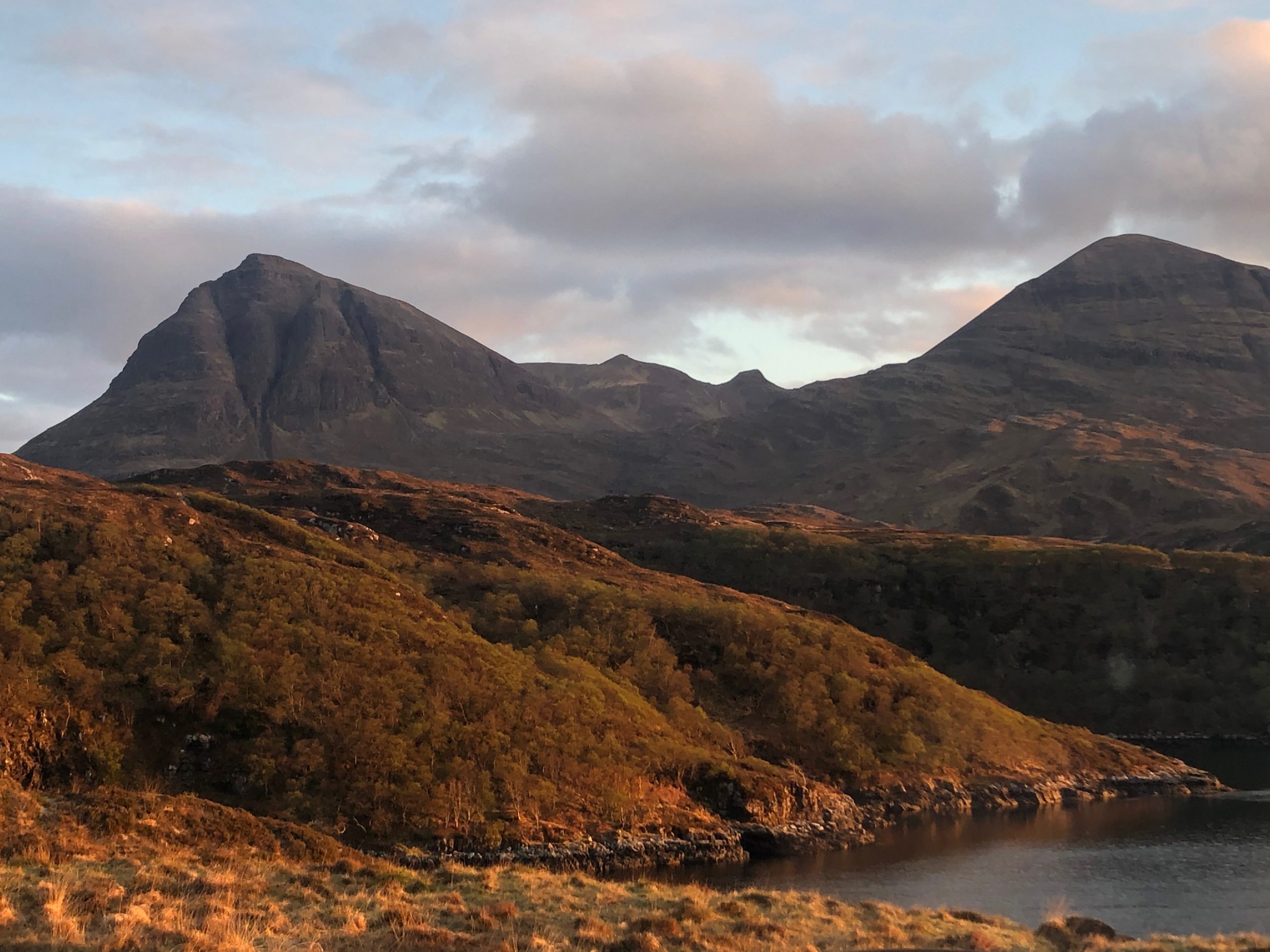
this is Quinag, seen from the lodge at Kylesku where we stayed in late April this year (2022)

As with all the Gaelic speaking Highlands, each small place – hill,  hummock,  little lake (lochan),  track, summer grazing – once had its name and story, before the Highland clearances when new money, derived from the proceeds of the slave trade and connected industries, and seeking the respectability of property ownership, came in and land was seen as a mere resource to be used for the creation of more wealth, or a rich man’s playground for hunting. After the tenants/peasants were cleared off the land much of this naming was lost, but some has remained in memory, tradition and records kept by map makers.

These paintings are inspired by the depth of story in this landscape, in deep time, geology, flora and fauna, and in more recent time, the history of its people.

If you go to my blog (link at the top, and look for titles that contain the word Assynt, or Waterlily lochan), you will find much more detail about the place itself.

GLOSSARY of Scots Gaelic (Gàidhlig, pronounced ‘gaa-lik’) words involved in place names

ACHAD – a field

ALLT –  a stream

BÀTHAICH – byre, shed or stable for livestock

BEALACH – pass between two mountain peaks

BHUIDHE – yellow

BRADHAN – quern(stone)

CHORNAIDH or cornadh curl/fold’ (possibly) or the stony place.

CHOIRE – corrie (horseshoe-shaped valley which is formed through erosion by ice or glaciers. Corries are north-facing, away from the sun which stops the ice from melting. As snow and ice build-up, the underlying rock is eroded.)

CUINEAG – milking pail

GARBH – rough

GHORM – blue

GNEISS – not Gaelic but the word for a very old kind of rock, pronounced “nice”.

GHUIRM – green

LOCHAN –  a small loch (lake)

MÒIRE – large

SAOBHAIDH – fox den

SÀIL  – (heel) slope

SHIELING – a summer pasture

UAMH –  cave


I have to thank Gemma Smith, whose work on the place names of Assynt can be found here on Assynt Wildlife’s website. There is much there to read if you are interested.


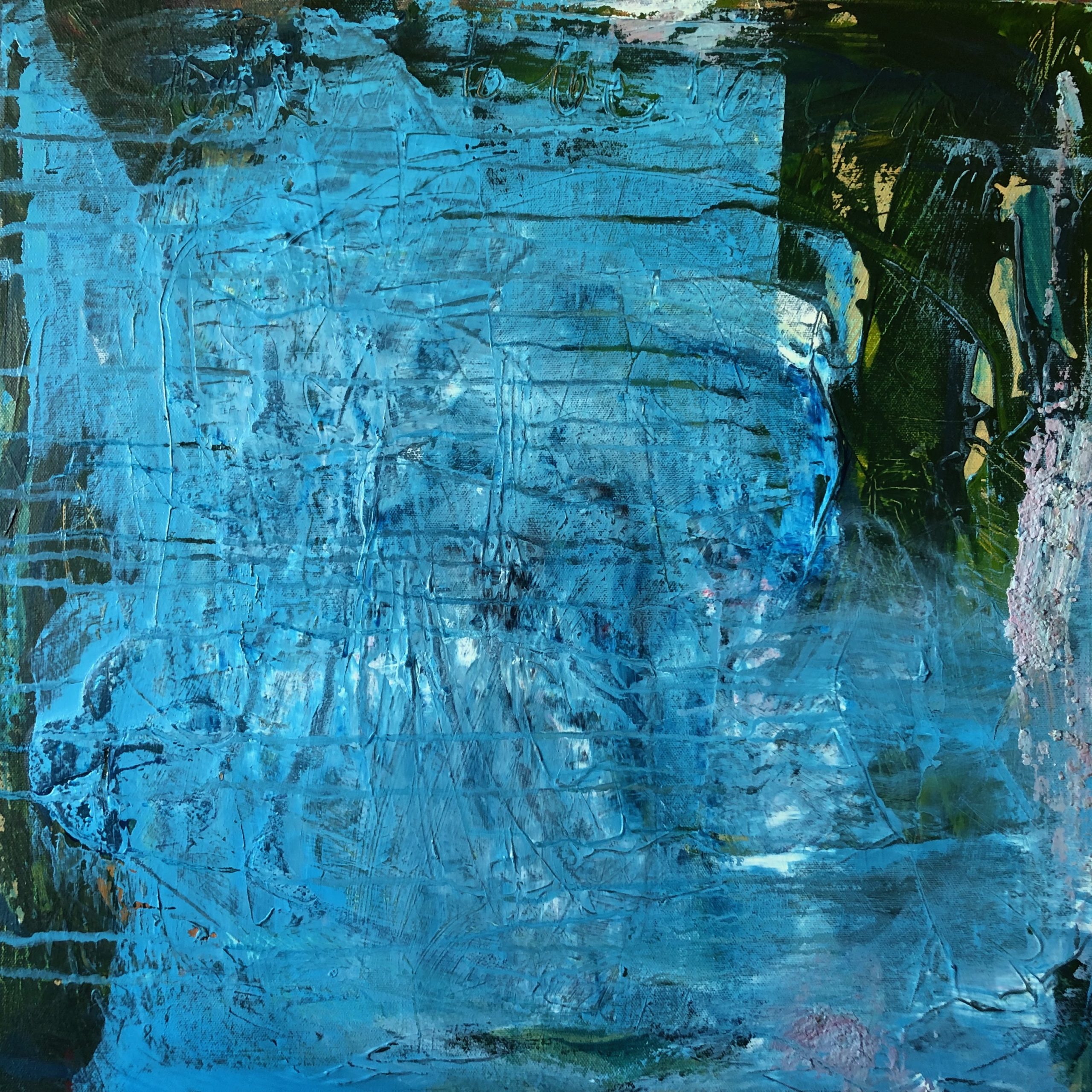
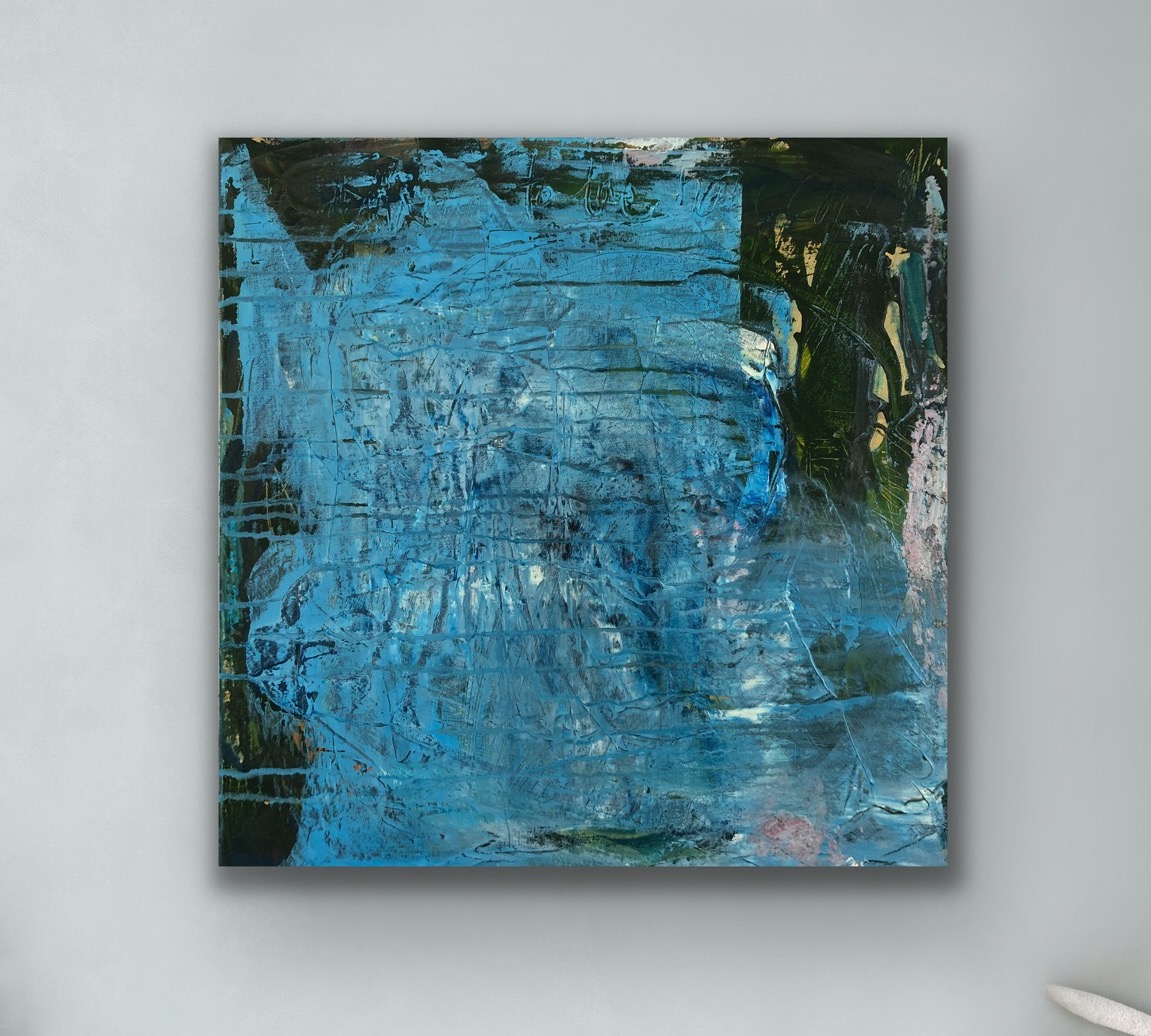
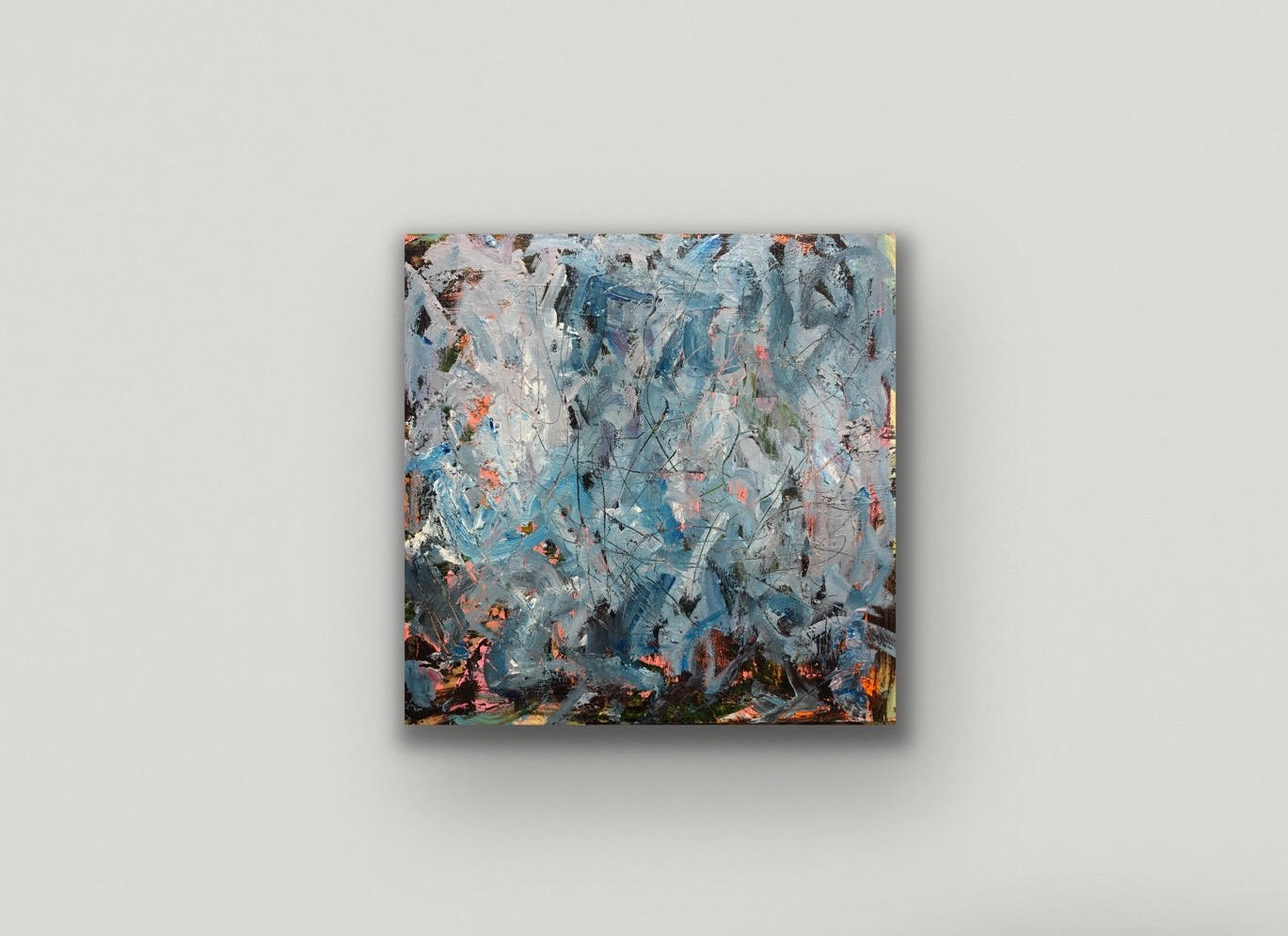
DEEP IN THE LOCHAN

Acrylic and linen on a deep cradled panel, 40 x 40 x 5.5 cm, 2022

This one has the Gaelic words for waterlily scratched into the paint, and a patch of linen underneath. Duilleag-bhaite which means drowned leaf, and bhan is white. I am fascinated by the idea of a wilderness full of lily ponds. Of the hummocky glaciated ground and the Lewisian Gneiss under it riddled with dyke swarms in straight lines, lochans and small hills and pockets of bog. I am also trying to make brush marks which fly over the surface, using the brush taped to a cane much more lightly than I have before.

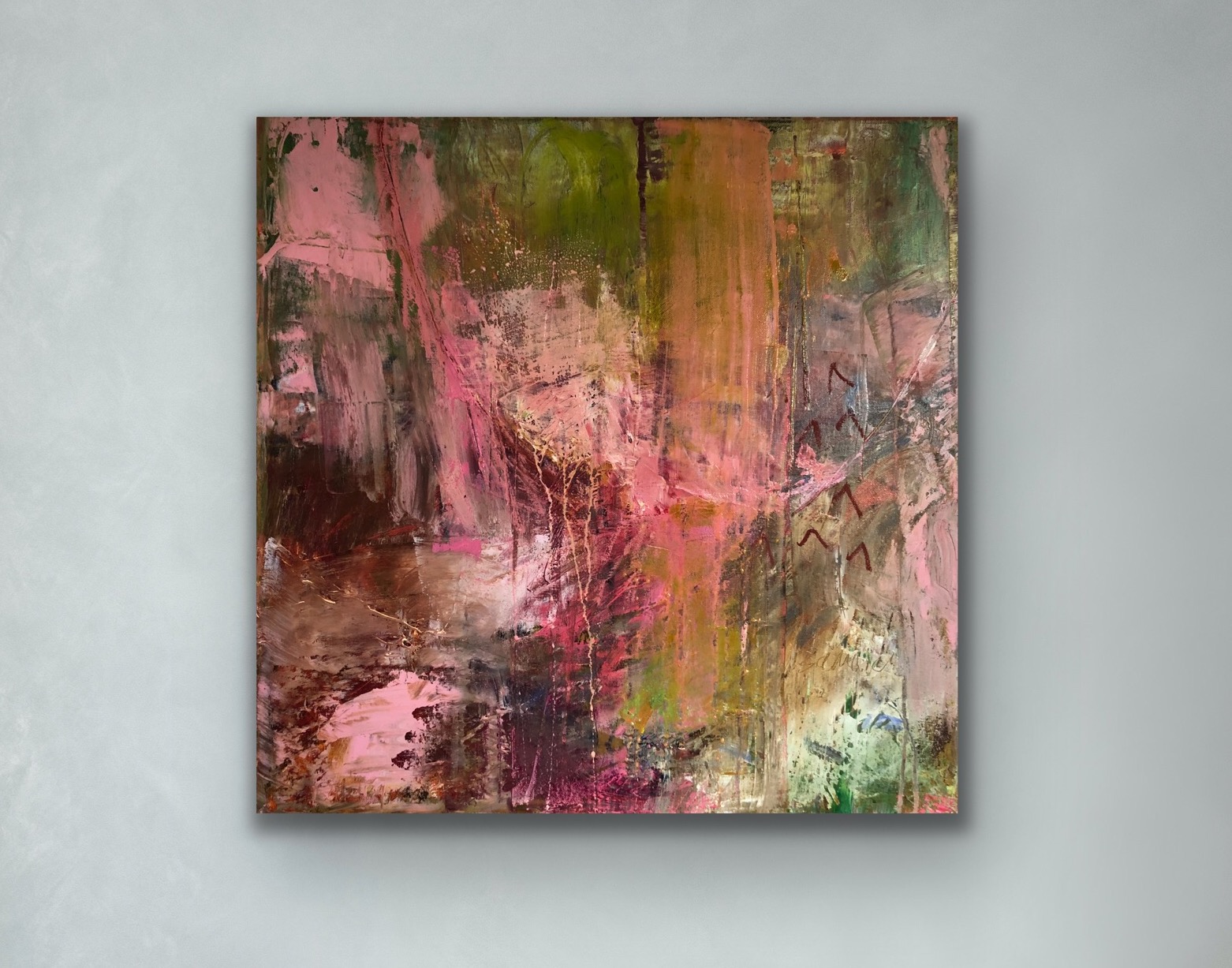
ALLT À BÀTHAICH

Acrylic and oil pastel on canvas, 61 x 61 cm, 2022

Words scratched into the surface of this one are Allt a’ Bàthaich, the name of the burn that flows down from between the two north peaks of Quinag via waterfall after waterfall.. Scots Gaelic meaning the stream of the byre – the flatter patch of grassland under the main ridge of Quinag is called the Corrie of the byre, Choire à Bàthaich, which was a shieling, a summer grazing for cattle, and might be the reason Quinag (Cuineag) is the name of the hill itself, as it means milking pail. That is supposed to refer to its shape, but it could mean literally a place to fill your milkpail.


THINKING ABOUT WALKING TO THE BONE CAVES

Acrylic and pencil on deep cradled ply panel, 41 x 41 x 5.5 cm, 2022

After spending hours researching geology and many other things about Assynt for my blog. Gaelic place names. I have been reading that every small spot had a name and a meaning. The place where this or that happened and it’s very similar to the naming used by First Nations in north America. Every spot having a meaning is a bit similar to Indigenous Australians’ involvement with country, but it was not a sacred meaning nor did it reach as far back into deep time as that in Australia. But as a deeply felt part of the Scots Gaelic speaking identity much of it is sadly lost now.

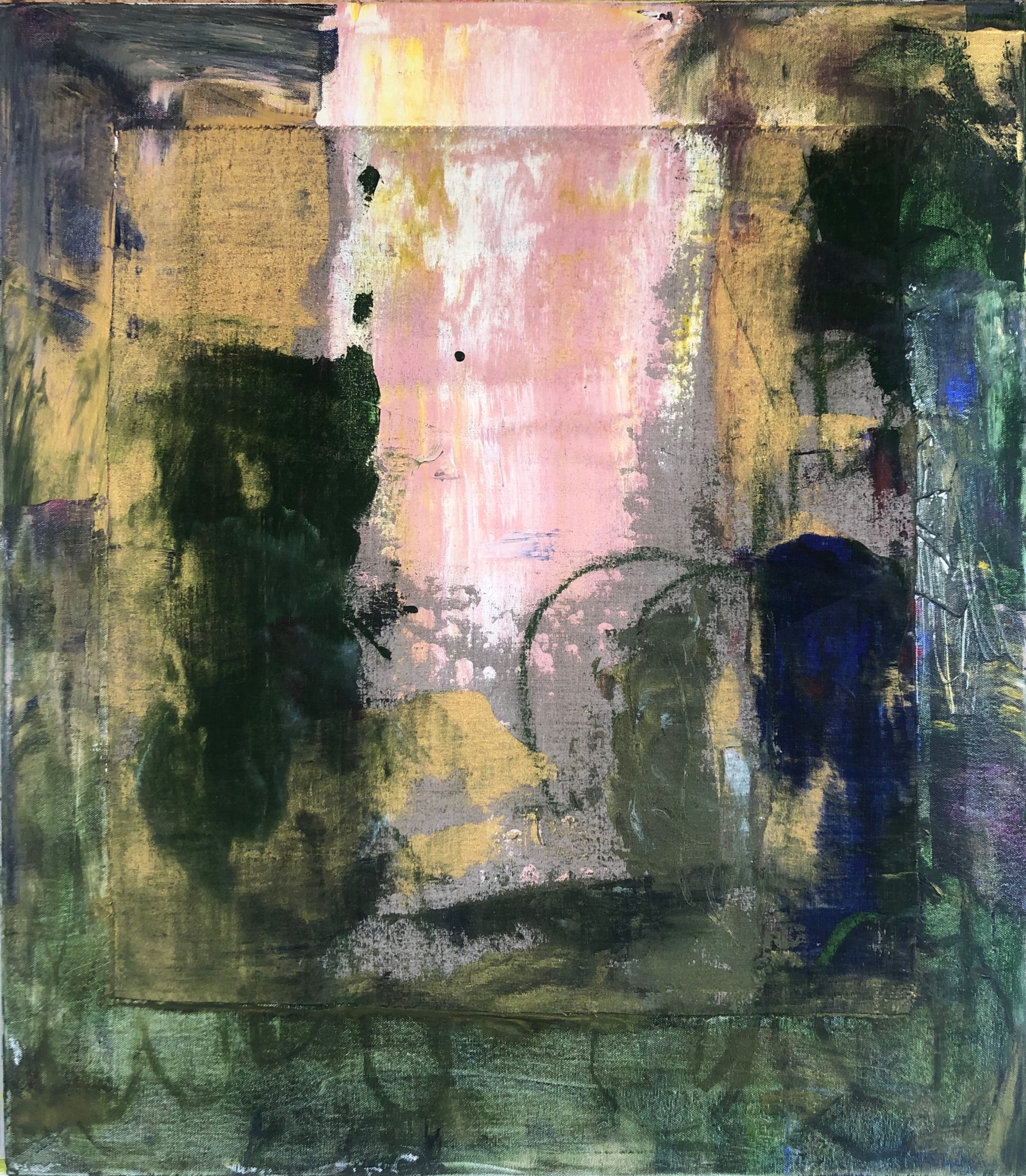
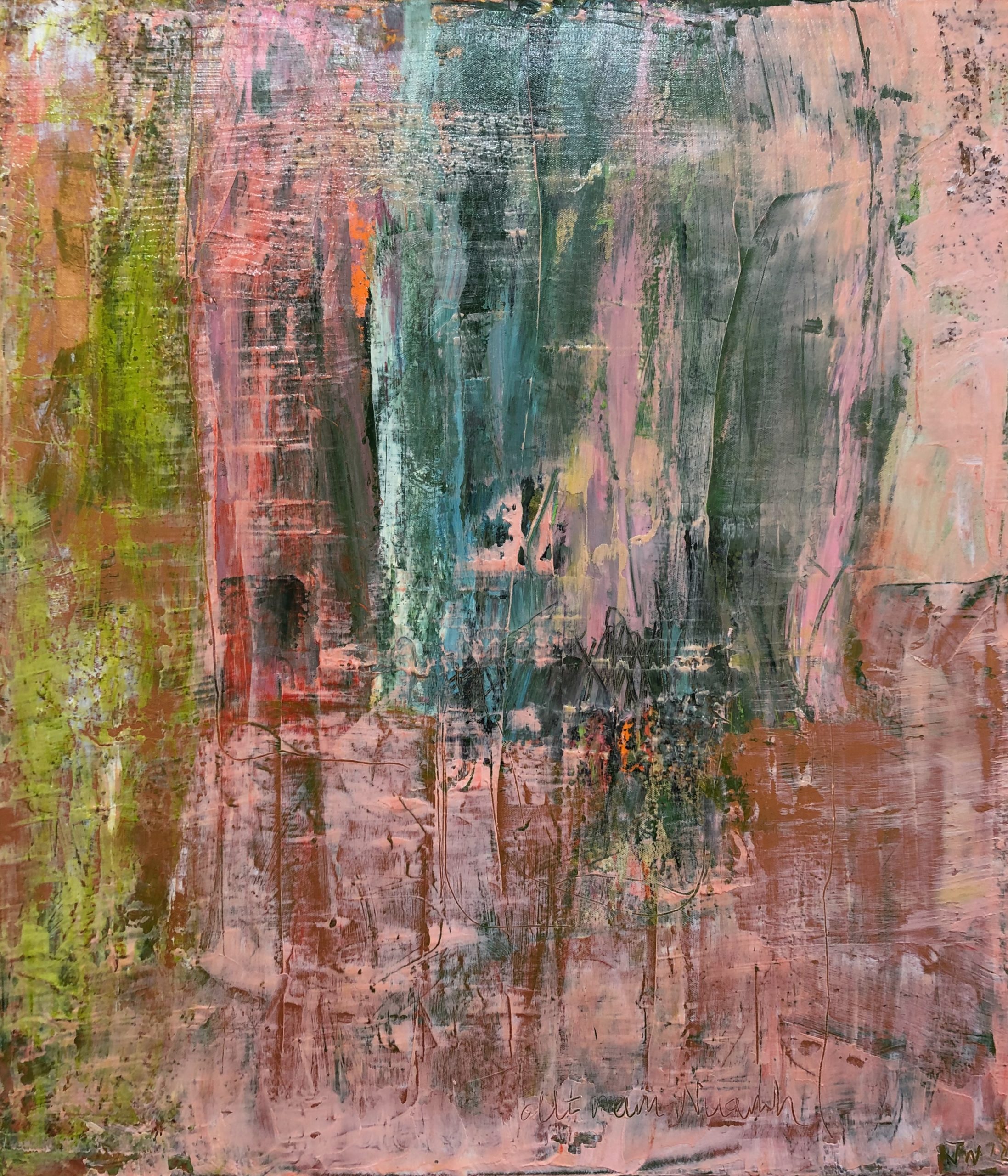
BEALACH A CHORNAIDH

Acrylic, charcoal, cold wax, marble dust, mica flakes, oil and oil stick on canvas, 80 x 70 x 4 cm

the title is from the OS map, the pass between the peaks of Quinag. Bealach means pass, Chornaidh stony.

trying to keep the feeling of the preliminary work on paper, but remembering all that Lewisian Gneiss, the gritty twisted rock with its nooks and crannies, the tiny special flowers, mosses and ferns we found.

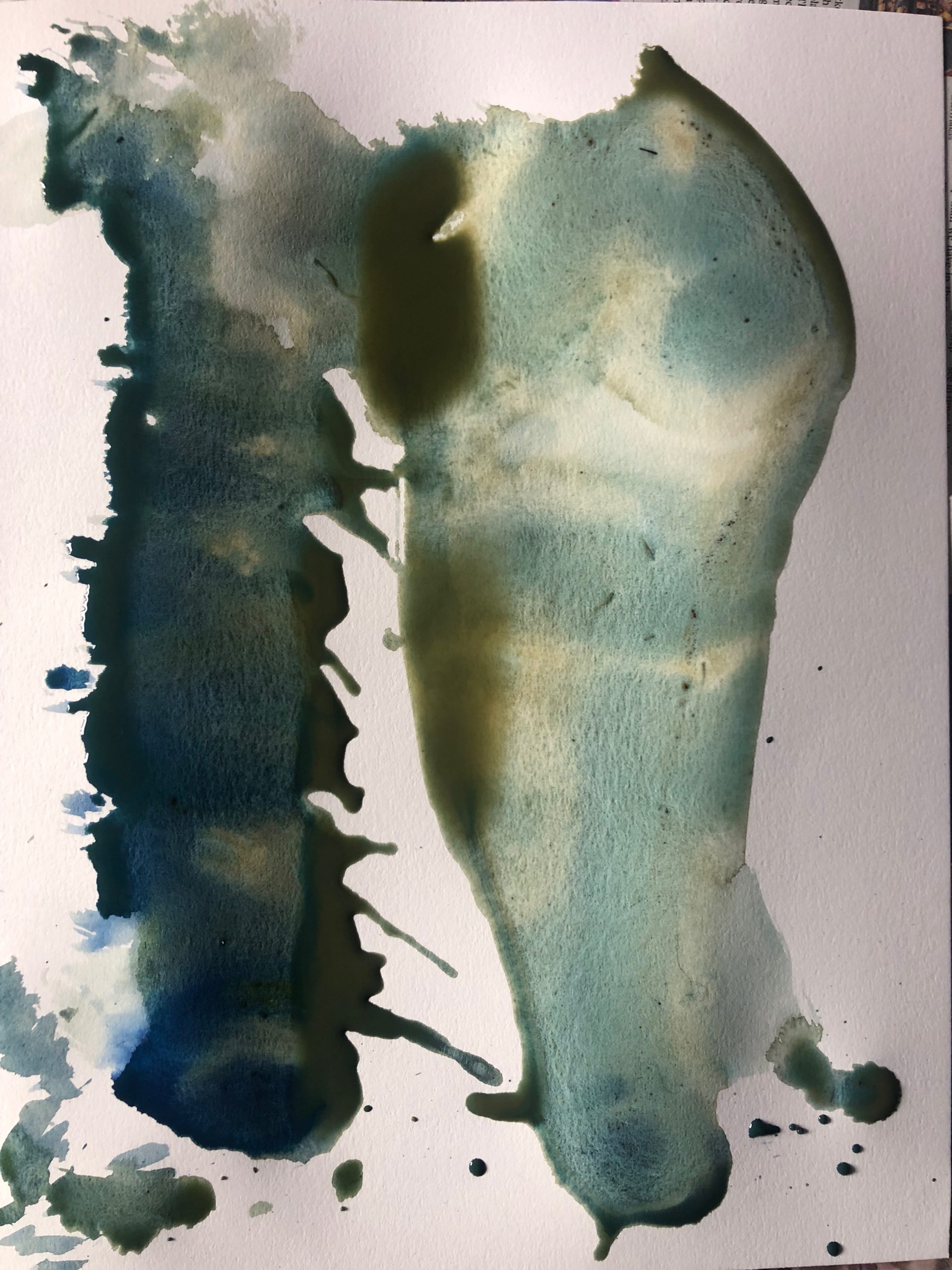
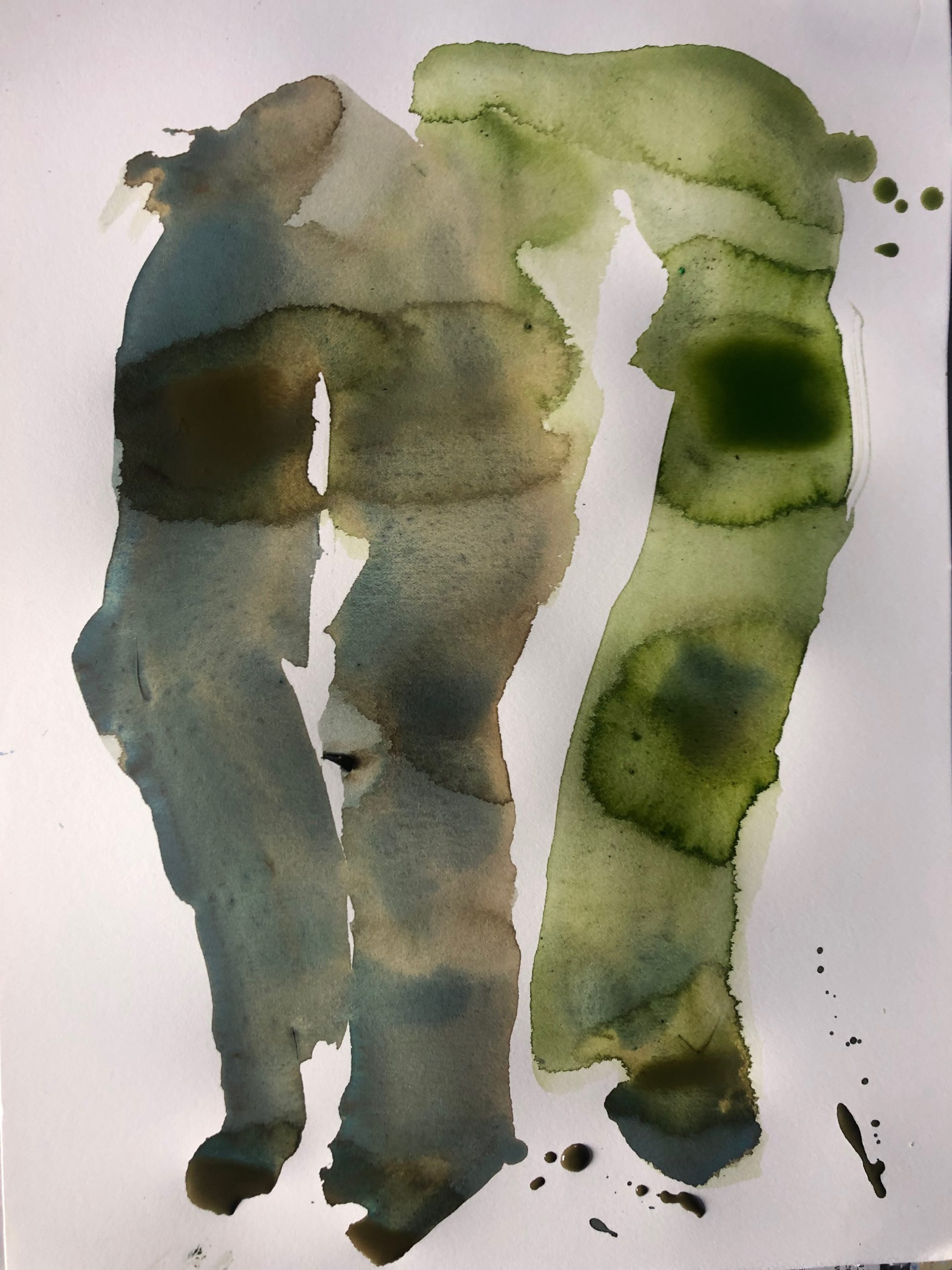
INCHNADAMPH

Gouache on hot press 300 gm paper, 15 x 11 inches, 2022

The early and ground-breaking geologists Peach and Home stayed at Inchnadamph in the early 1900’s. In the glens behind the hotel the limestone rock is porous, rivers disappear and reappear, there are caves, and limestone pavements high up just like the Burren in Ireland and Malham Cove in Yorkshire, with specially adapted plants.